

Oil does not need the strait to be empty to be expensive. It needs people to be scared and inventories to be tight.
Yesterday’s settlement: Brent $95.63 (up 98 cents), WTI $91.01 (up 79 cents). Intraday they tagged the highest levels since July 24. That followed the heaviest direct U.S.–Iran exchange in weeks.
Two fuels, one price
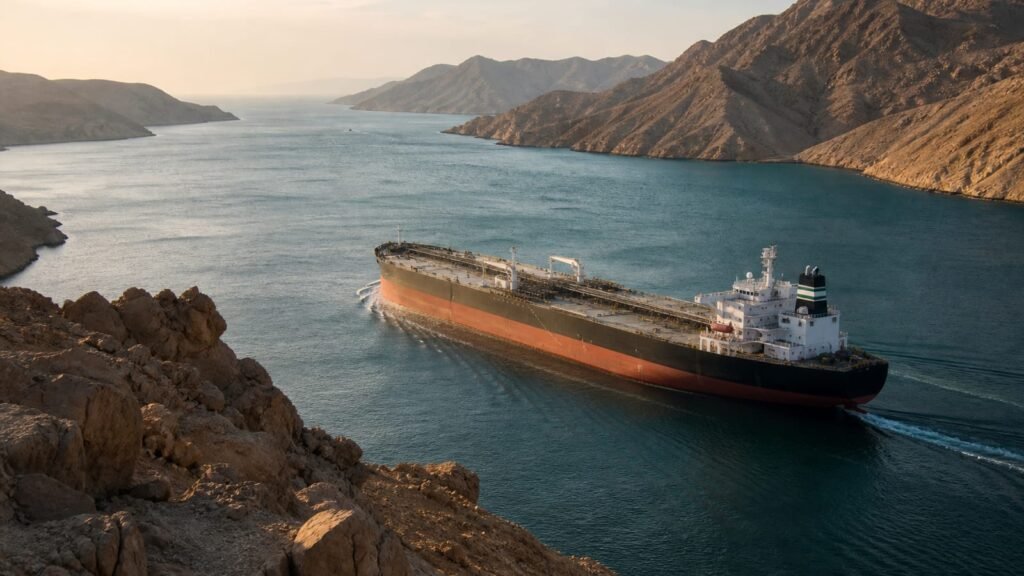
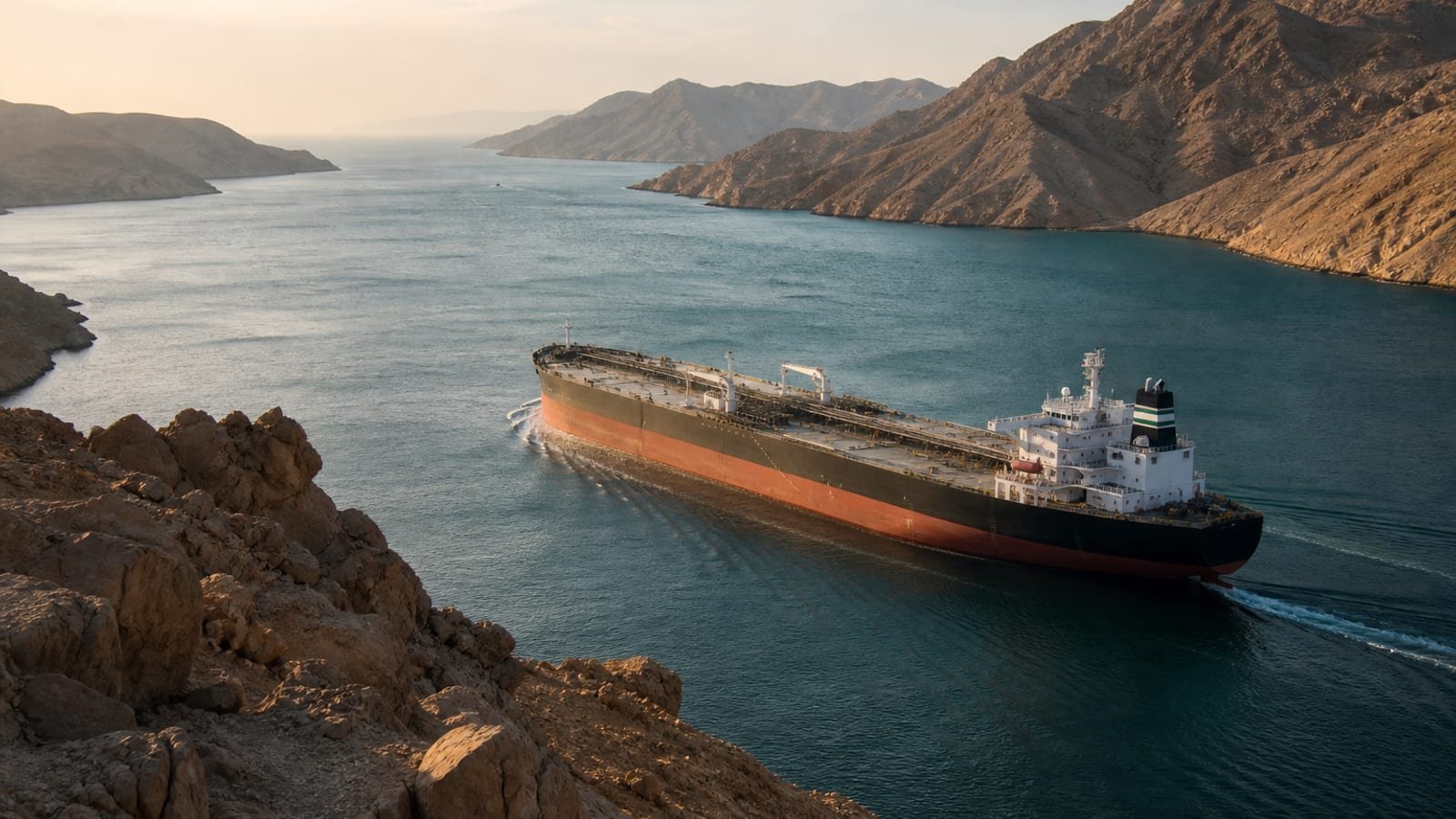
War risk: Hormuz still matters. It used to carry about a fifth of global oil and LNG. Shipping data can look ugly even when some barrels squeeze through. The IRGC talking about more disruption is part of the premium.
Actual barrels: the U.S. Energy Information Administration said crude stocks fell 4.5 million barrels last week, versus expectations nearer a 1.1 million draw. That is a real tightness print, not a tweet.
U.S. Energy Secretary Chris Wright said more than 17 million barrels transited Hormuz on Monday — the largest volume since the conflict began, in his telling. So no, the map is not a dead sea. Yes, the market is still charging rent for the chance it becomes one.
How this becomes a Fed story
$95 oil feeds gasoline, diesel, and jet fuel. That feeds CPI. That feeds Chair Kevin Warsh’s “prices first” posture. Hike odds for September 16 have been around two-thirds. Friday’s jobs report shares the stage with this.
What this means for you
Drivers feel it before economists do. A “war over” headline can shave a few cents. A new strike puts them back. Inventory draws mean even a quiet Gulf does not automatically mean cheap gas.
Bottom line: $95 Brent is war premium plus a tight U.S. stock number. Treat both, or you will misread the next $3 move.
GLHR NEWS explains the news. Not investment, tax, or trading advice. Do your own work before you act.