


XRISM already ran. 3I/ATLAS already ran. PURSUE 6 already ran. This is the unused star-forming picture.
NASA Goddard, Webb Mission Team, Sept. 15: the James Webb Space Telescope observed IC 348, a star-forming region 1,000 light-years away in Perseus. NIRCam in 2024, then NIRSpec in 2025. Program 4866, principal investigators Kevin Luhman (Penn State) and Catarina Alves de Oliveira (ESA). The team found brown dwarfs with masses as low as twice Jupiter, or 0.19 percent of the Sun — far smaller than theory predicts, NASA said. These are the least massive brown dwarfs known. A challenge to a model is not a rewrite of physics on this page.
2022 Webb work in the same cloud found objects three to four times Jupiter. This pass went lower. One of the lightest newfound brown dwarfs showed signs of a disk, NASA said, suggesting small planets could form around an object that is itself only planet-mass. Suggesting is not a count. The spectra also showed a feature the team attributed to an unidentified hydrocarbon, seen only in the lowest-mass brown dwarfs. Unidentified here is chemistry, not a craft.
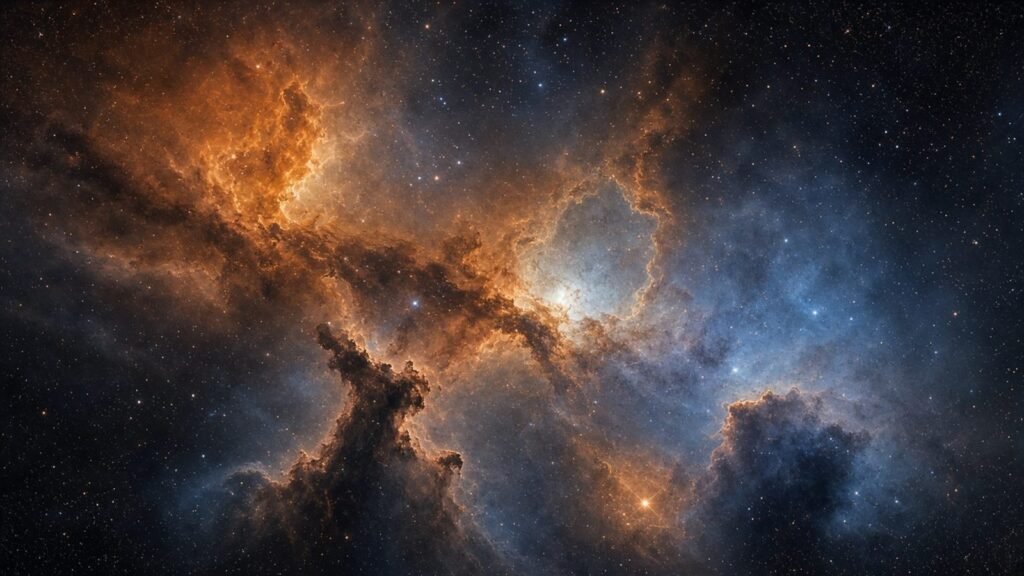
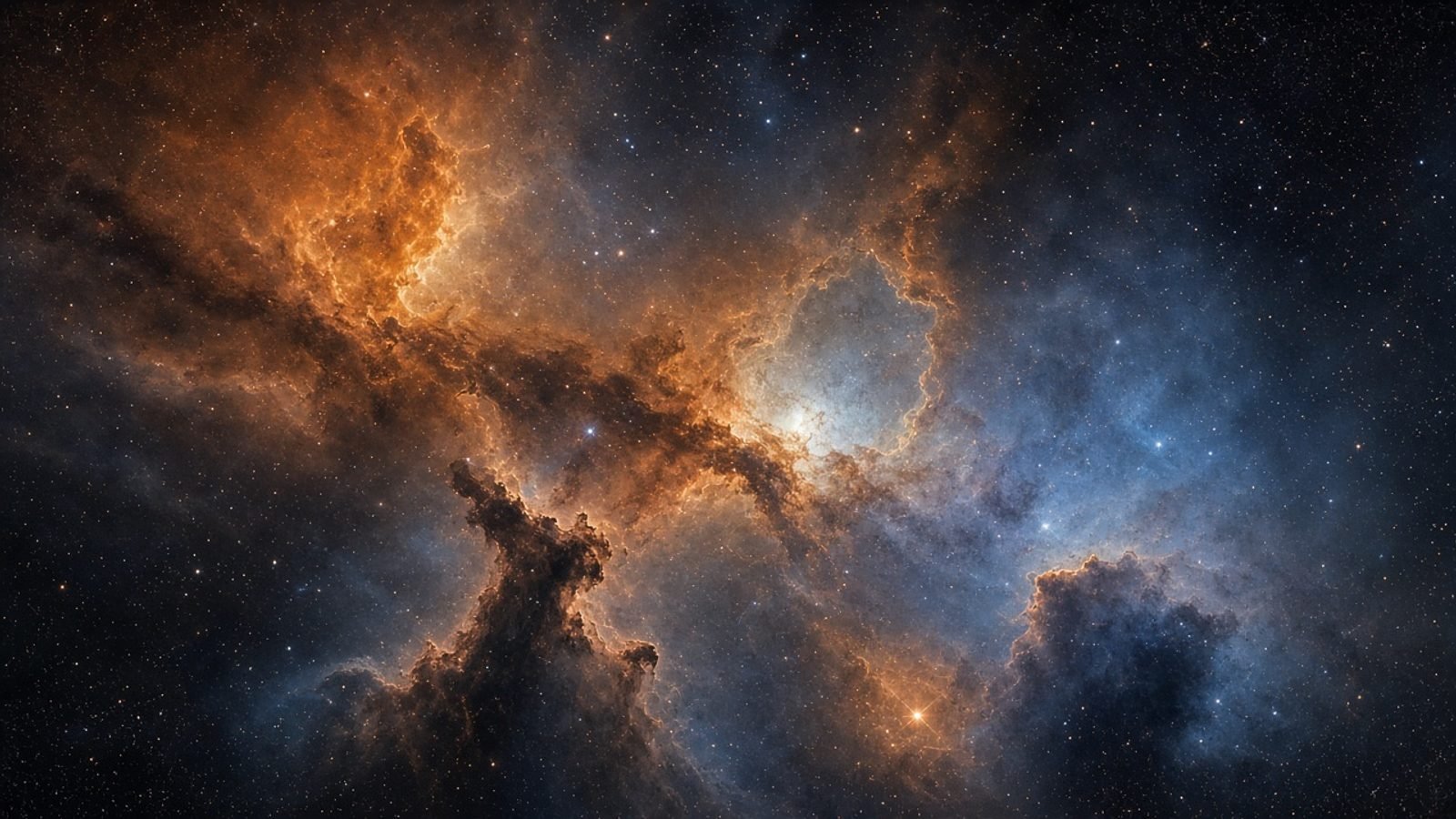
The image also shows protostars and Herbig-Haro objects HH 797 and HH 211 — jets slamming into gas and dust. A jet is a young star, not a maneuver. NASA, ESA, CSA. Laura Betz, Goddard; Bethany Downer, ESA/Webb; Christine Pulliam, STScI.
A brown dwarf never gets hot enough to fuse ordinary hydrogen. That is the definition. It is not a UAP file and not Friday’s pulsar.
What this means for you
If you needed XRISM’s wind speed, it still stands. If you needed this unused Sunday science, it is two Jupiters, 1,000 light-years, and a disk that is not a planet list.
Bottom line: 2× Jupiter. 1,000 light-years. A disk is not a census. Not a craft.
GLHR NEWS explains the news. Not investment, tax, or trading advice. Do your own work before you act.