

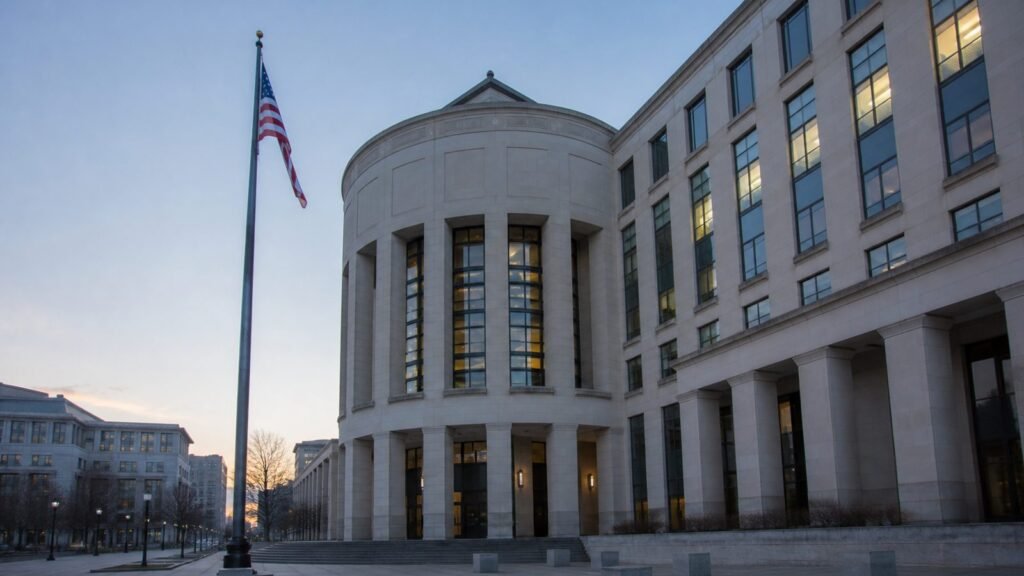
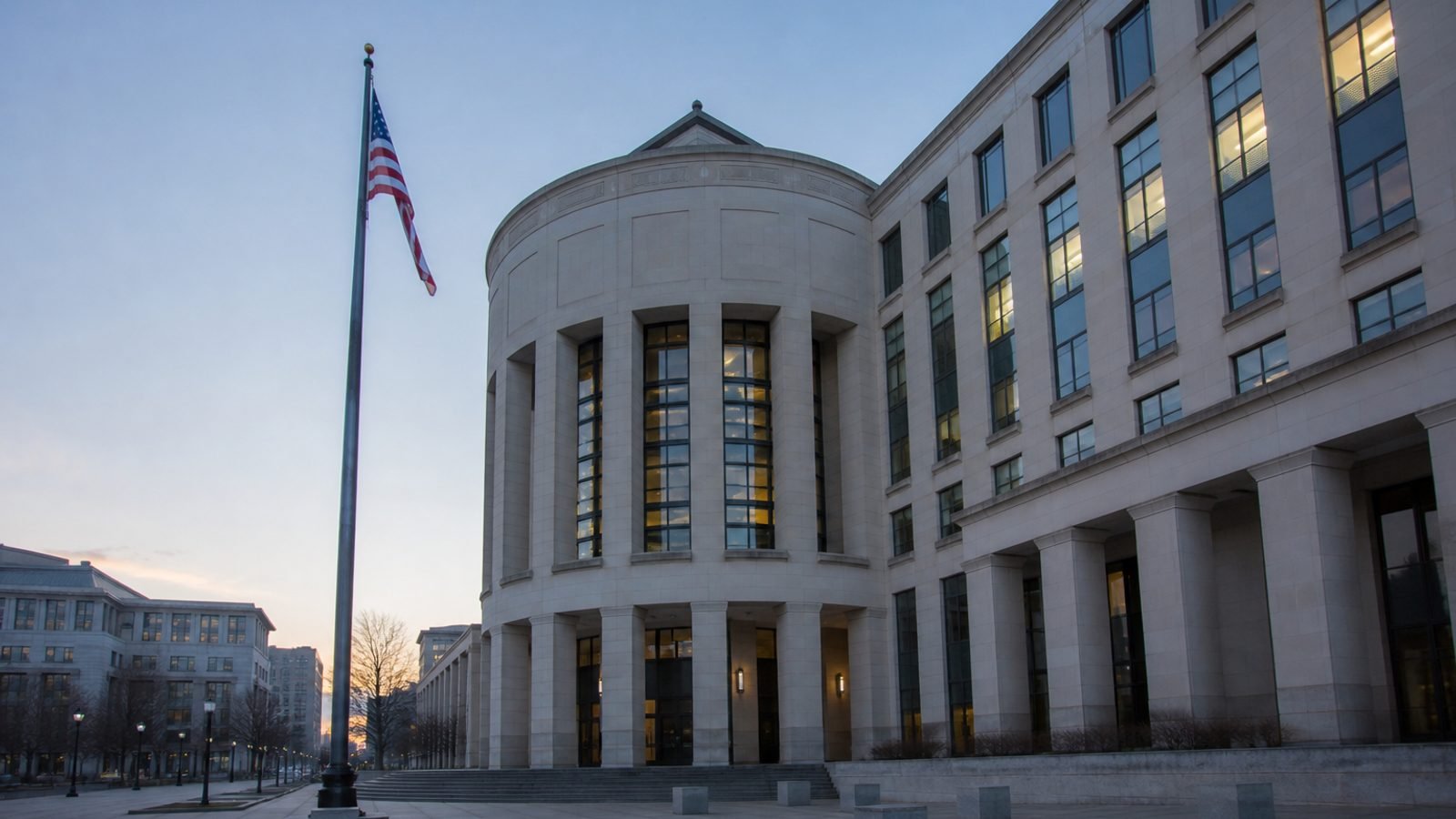
Alexandria, Virginia, just asked for a roster.
U.S. Magistrate Judge Ivan D. Davis in the Eastern District of Virginia ruled Friday that the Trump administration has to identify the people who built the nearly $1.8 billion “anti-weaponization” fund. Plaintiffs won part of a motion to compel. Democracy Forward, which represents them, called it a step toward killing a slush fund for good.
The Justice Department did not comment Friday evening. The New York Times had the order’s details first.
What the fund was
It lived inside a settlement among President Trump, two of his sons, the Trump company, and the IRS. About $1.8 billion in taxpayer money was supposed to pay people who “suffered weaponization and lawfare.” That language can reach January 6 defendants Trump later pardoned.
A federal judge blocked it in May after a fired Jan. 6 prosecutor and a law professor sued. Career IRS staff joined. The same deal tried to make the president and family immune from IRS audits.
Attorney General Todd Blanche put in writing that the fund was “rescinded” and “there is no fund.” The paper he signed did not include the original signatories. Lawyers say that is a door, not a lock.
Trump, at a Cabinet meeting this summer: the fund “is dead, but you know, I wish it weren’t.” He has not ruled out Jan. 6 payouts.
This week Treniss Evans III, a Jan. 6 defendant seeking $1 million, posted a photo of himself in Blanche’s office. A person familiar with the matter said he did not meet the attorney general. Evans had been sentenced to 20 days and probation for the Capitol attack.
What this means for you
If you pay federal taxes, $1.8 billion is not a metaphor. If the fund is truly dead, naming the authors should be easy. If it is not, Friday’s order is how you find out.
Bottom line: Blanche said there is no fund. Trump said he wishes there were. A Virginia judge said start with the names.
GLHR NEWS explains the news. Not investment, tax, or trading advice. Do your own work before you act.