



Six missiles already ran. 408 ships already ran. Hejat already ran. This is Thursday’s unused invoice.
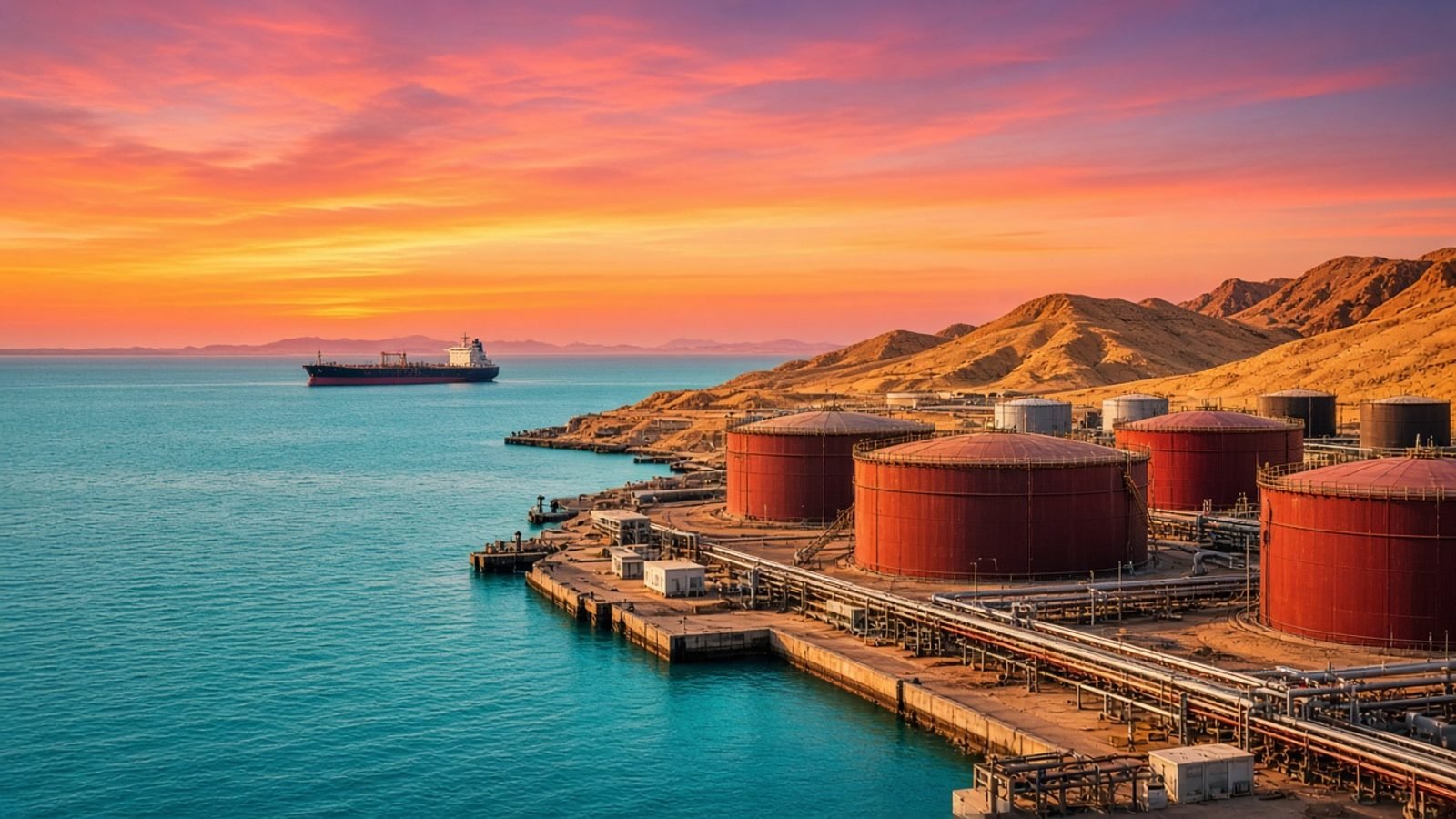
Reuters, London, Sept. 24: the cost of insuring an oil tanker loaded from Saudi Arabia’s main Red Sea port has tripled in recent weeks, four industry sources said. Quoted war-risk premiums for Saudi-linked tankers calling at Yanbu are about 3% of a vessel’s value. They were under 1% in early July, before London’s marine market labeled that stretch high-risk after Houthi attacks near Bab el-Mandeb. Loadings at Yanbu have yet to resume, Reuters said, citing industry sources, satellite images, and shipping data. The East-West pipeline was shut Sept. 11 after drone attacks the kingdom said came from Iraq. Building volumes back is not a cargo we counted.
War-risk cover typically runs seven days and is reviewed every 24 hours. Reuters: a Yanbu voyage can cost about $3 million; ports farther south, including Jizan, or a run through Hormuz, about $7 million, from at least $100,000 before the war. OilPrice, citing the same desk: Hormuz quotes 6–9%; Jizan can reach 7%. The Saudi cabinet appointed Saudi Reinsurance Company to lead a marine war-risk pool. A pool is not a loading. Thursday evening’s six intercepts toward Taif and Yanbu already ran. Do not smash that into this premium.
What this means for you
If you needed last night’s unused intercept, it still stands. If you needed this morning’s unused Houthi movement, it is 3%, $3 million, and a port that is still not loading. Not investment advice.
Bottom line: Insurance 3%. Loadings not resumed. $3 million is not a reopening. Not six again.
GLHR NEWS explains the news. Not investment, tax, or trading advice. Do your own work before you act.